Filipino Martial Arts: A Rich Tradition of Combat and Culture
The Philippines is home to a variety of martial arts that have evolved over centuries, influenced by the diverse cultural heritage of the islands. These martial arts are not just methods of combat; they are rich in history and cultural significance, each with its own unique characteristics and traditions. Here’s an overview of the most famous Filipino martial arts
Eskrima (Arnis/Kali)
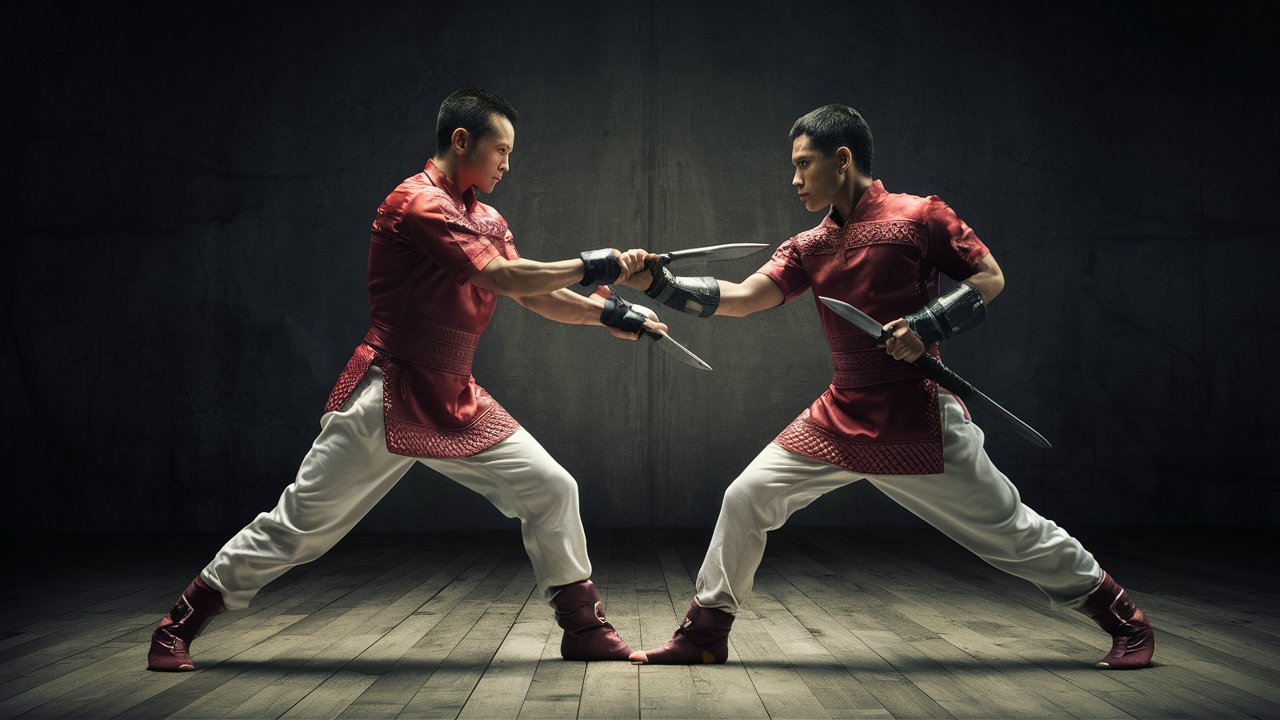
Eskrima, also known as Arnis or Kali, is the national martial art of the Philippines. It is a comprehensive system of fighting that includes the use of sticks, knives, and empty-hand techniques. Eskrima is characterized by its fluid, rapid movements and the use of both offensive and defensive techniques simultaneously.
Weapon-Based Training
Practitioners start with sticks (rattan) and progress to bladed weapons.
Sinawali Patterns
These are intricate weaving patterns used to train coordination and speed.
Flow Drills
Known as "Hubud Lubud," these drills develop sensitivity to an opponent's movements.
Practiced in Rhythmic Patterns
Often accompanied by rhythmic music, enhancing the flow and coordination.
Cultural Festivals
Demonstrations are common during festivals and cultural events, celebrating the art's heritage.
Panantukan
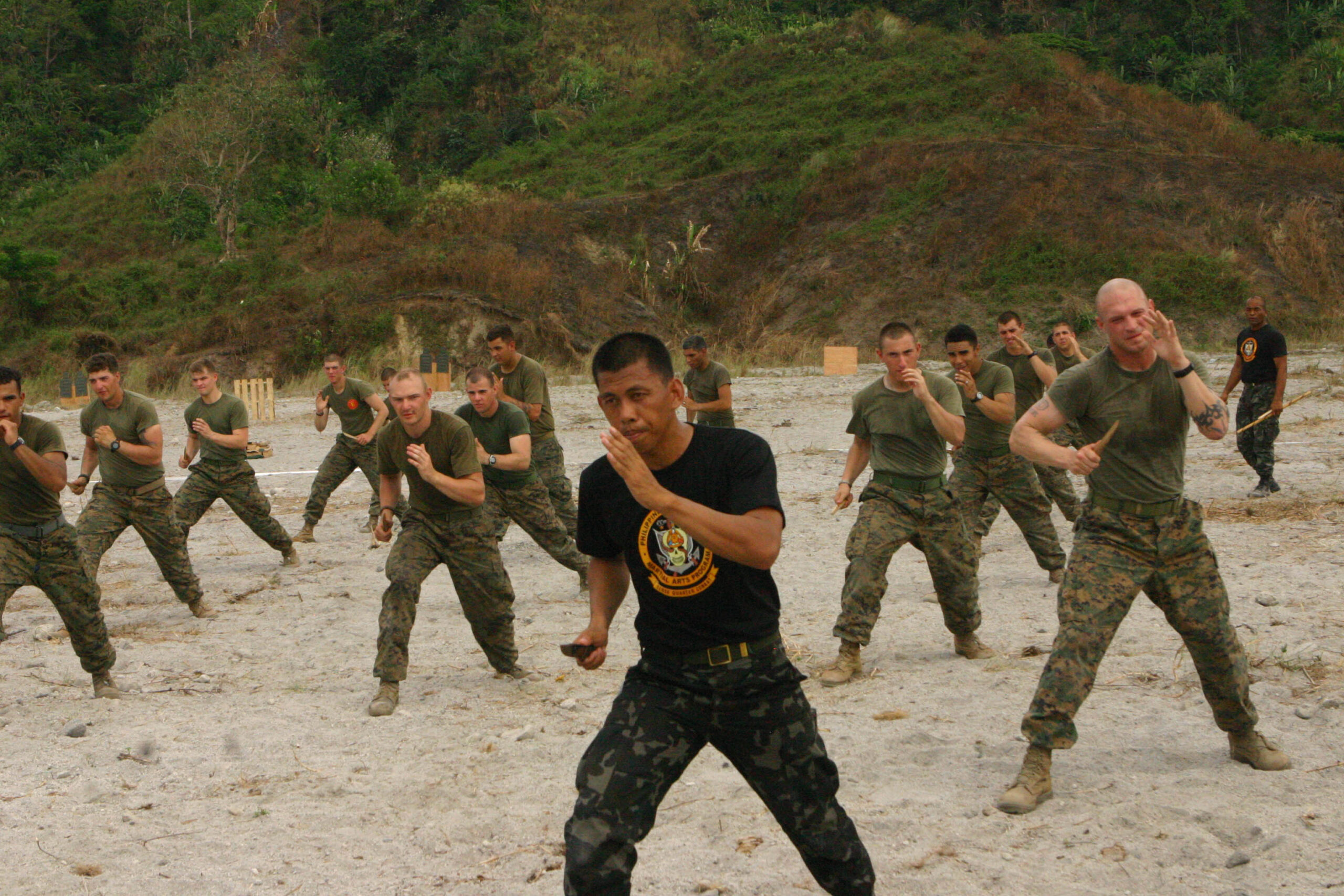
Panantukan, also known as Filipino Boxing, is the empty-hand component of Eskrima. It emphasizes striking with the hands, elbows, and forearms, and incorporates techniques from Western boxing and traditional Filipino fighting styles.
Close-Range Combat
Focuses on infighting techniques.
Elbow and Forearm Strikes
These are commonly used to disrupt an opponent's attacks. Foot Traps and Sweeps: Techniques that off-balance the opponent.
Street Fighting Influence
Originating from practical self-defense, often seen in street altercations.
Integrated with Eskrima
Typically trained alongside weapon-based techniques.
Cultural Festivals
Demonstrations are common during festivals and cultural events, celebrating the art's heritage.
Sikaran
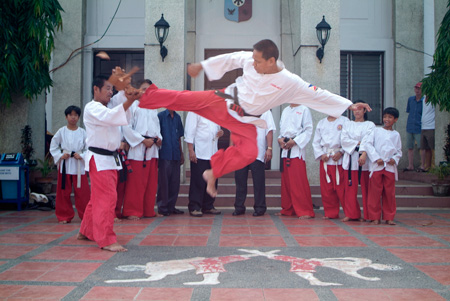
Sikaran is a traditional Filipino martial art that focuses primarily on kicking techniques. It originated from the Tagalog region and is known for its powerful, high kicks.
Leg-Based Techniques
Emphasizes the use of legs for both offense and defense.
High Kicks
Includes a variety of powerful kicks aimed at different levels of an opponent’s body.
Sweeps and Throws
Complement the kicking techniques to off-balance opponents.
Traditional Competitions
Historically, matches were held in rice paddies, adding an element of balance and skill.
Ritualistic Elements
Pre-fight rituals and respect for opponents are integral parts of the practice.
Yaw-Yan
Yaw-Yan, short for “Sayaw ng Kamatayan” (Dance of Death), is a contemporary Filipino martial art developed in the 1970s. It incorporates elements of traditional Filipino fighting styles and modern combat sports.
Dynamic Kicking Techniques
Similar to Muay Thai, but with a Filipino twist.
Elbow and Knee Strikes
Effective close-range attacks.
Ground Fighting
Includes grappling and submission techniques.
Modern Adaptation
Reflects the blending of traditional and modern fighting principles.
Competitive Sport
Often seen in mixed martial arts (MMA) competitions.
Pekiti-Tirsia Kali
Pekiti-Tirsia Kali is a close-quarters combat system that focuses on edged weapons, impact weapons, and empty-hand techniques. It is known for its effectiveness in real-world combat scenarios.
Blade Mastery
Emphasizes the use of knives and swords.
Close-Quarters Combat
Techniques designed for efficiency in tight spaces.
Footwork
Agile and evasive movements to avoid attacks and create angles.
Military and Law Enforcement Training
Widely adopted by Philippine military and police forces.
Family Traditions
Often passed down through generations within families.
 Čeština
  English