Filipino Dance Arts A Rich Tapestry of Tradition and Culture
The Philippines, an archipelago of over 7,000 islands, boasts a vibrant cultural heritage that is deeply reflected in its traditional dance arts. Filipino dance is a dynamic and diverse art form, with each region contributing unique styles that showcase the country’s rich history, diverse cultures, and the stories of its people.
Tinikling
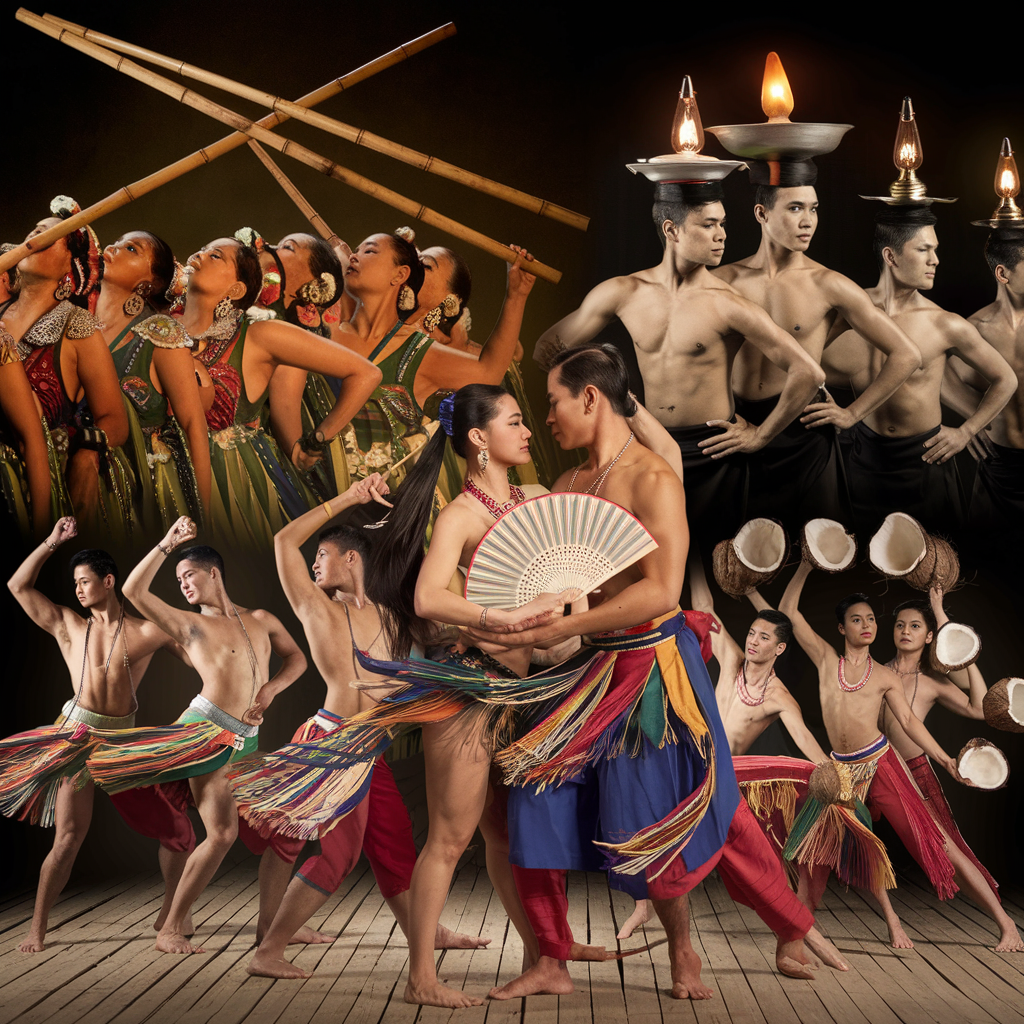
Tinikling is perhaps the most renowned traditional Filipino dance, often referred to as the national dance of the Philippines. This dance mimics the movement of tikling birds as they dodge bamboo traps set by farmers. Dancers skillfully step in and out of clashing bamboo poles, creating a captivating and rhythmic performance.
Cariñosa
Cariñosa, meaning "loving or affectionate one," is a courtship dance that reflects the sweet and charming nature of Filipino culture. The dance involves a fan and handkerchief and is characterized by graceful, flirtatious movements that depict traditional Filipino romantic gestures.
Singkil
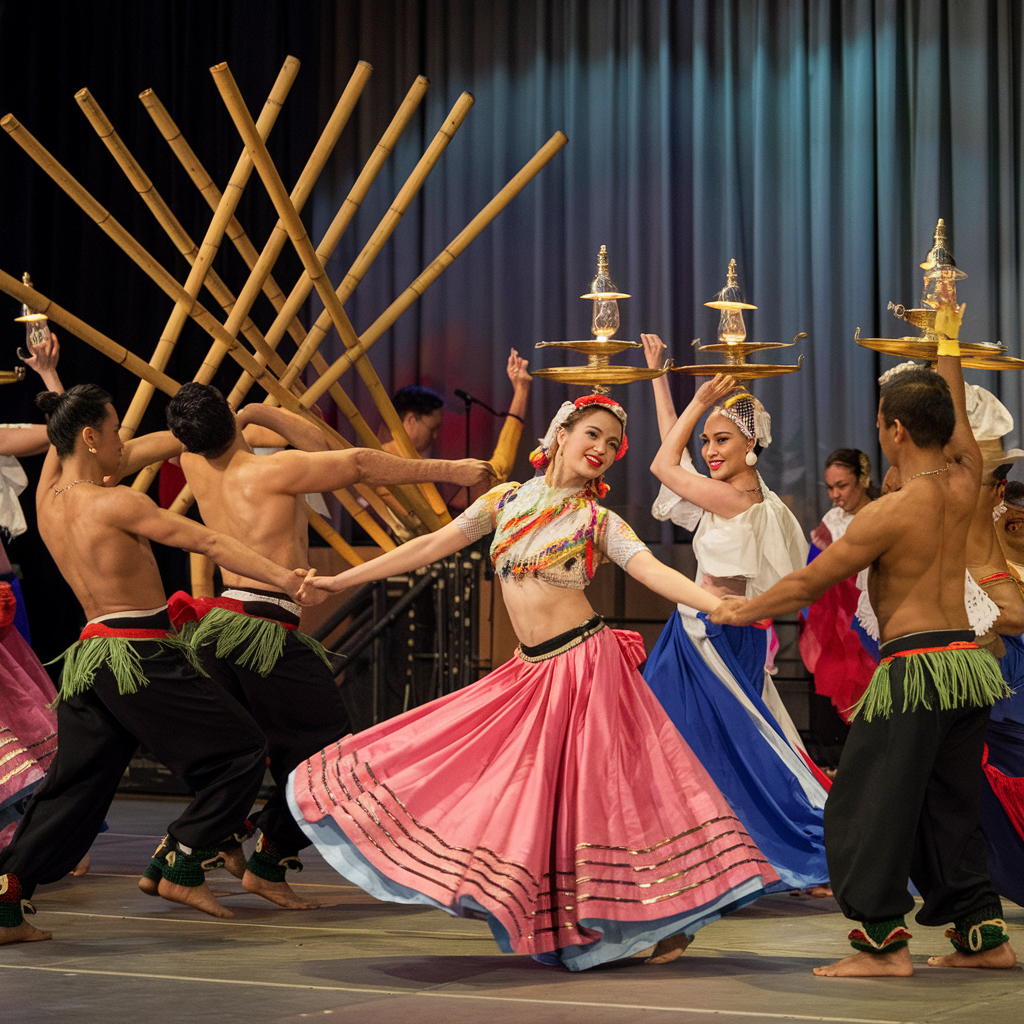
Originating from the Maranao people of Mindanao, Singkil is a dramatic dance that narrates the story of a prince and a princess navigating through a forest of clashing bamboo poles. The dance is a visual spectacle, with performers dressed in elaborate costumes, and it is often performed at festivals and cultural events.
Pandanggo sa Ilaw
Pandanggo sa Ilaw, which means "Dance of Lights," involves dancers balancing oil lamps on their heads and hands. This dance showcases grace and balance and is often performed to lively and upbeat music. It is inspired by the Spanish fandango and is typically performed by women.
Maglalatik
Maglalatik is a mock-war dance that represents a battle between Christians and Moros over coconut meat, a highly valued commodity. Dancers wear coconut shells on their bodies and strike them rhythmically, creating a unique and percussive performance. This dance is traditionally performed during fiestas and religious celebrations.

Notable Filipino Dancers
Several Filipino dancers have gained international recognition for their contributions to dance arts
Lisa Macuja-Elizalde: A prima ballerina who has performed with the Kirov Ballet in Russia and has been instrumental in promoting ballet in the Philippines.
Bayanihan Philippine National Folk Dance Company: Founded in 1957, this dance troupe has toured globally, showcasing traditional Filipino dances and winning numerous awards.
Characteristic Customs in Filipino Dance
Filipino dance is deeply intertwined with the customs and traditions of the Philippines.
Some characteristic customs
Storytelling: Many Filipino dances tell stories of courtship, heroism, and daily life. These stories are passed down through generations, preserving the cultural heritage.
Community Participation: Dance is a communal activity in Filipino culture. Festivals, fiestas, and community gatherings often feature dance performances, encouraging participation from people of all ages.
Music and Instruments: Traditional Filipino dance is usually accompanied by indigenous music played on instruments like the kulintang (a set of gongs), the kudyapi (a type of lute), and various percussion instruments. The music enhances the storytelling aspect of the dances.
 Čeština
  English