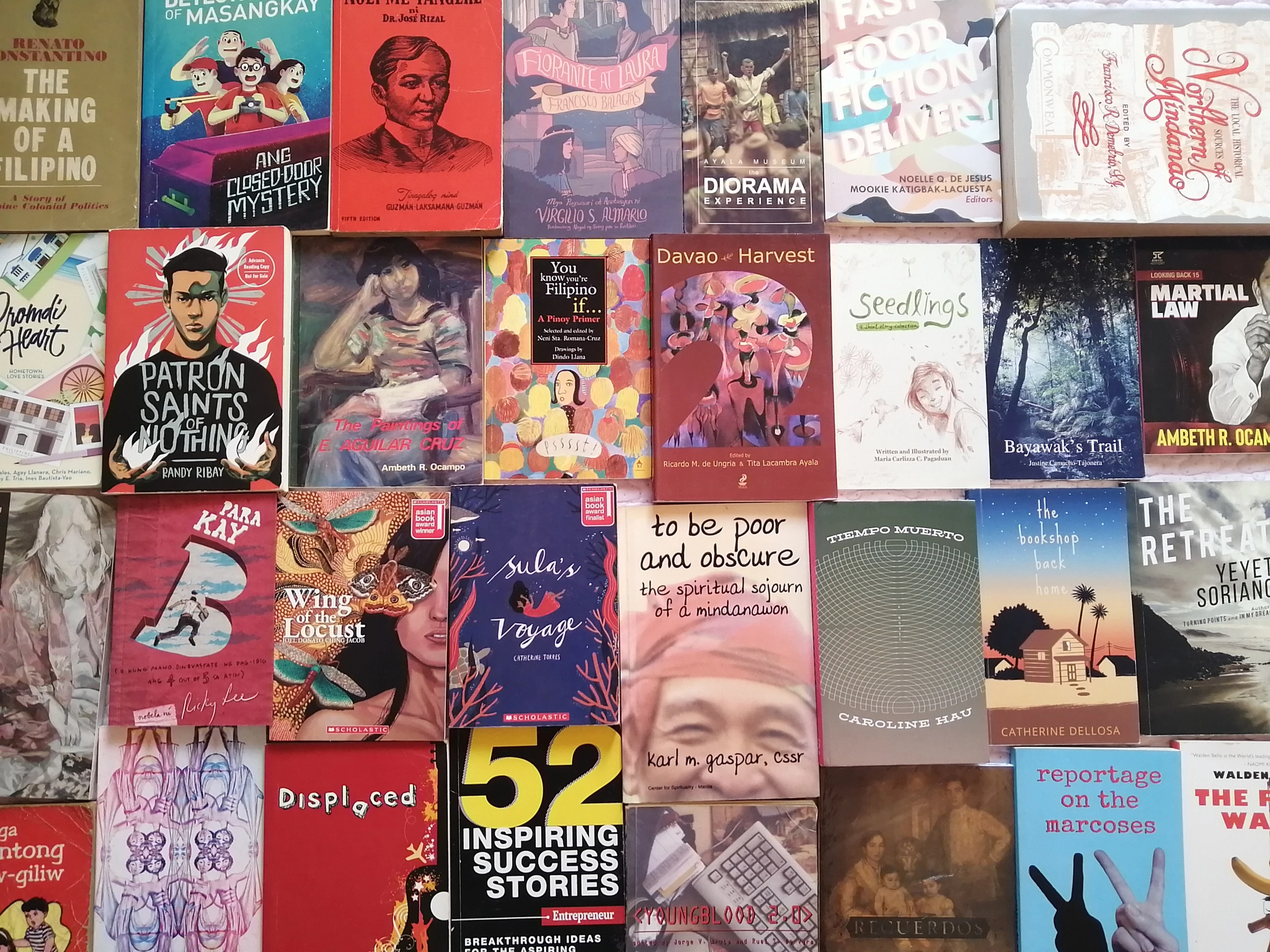
Exploring Filipino Literature, Arts, and History A Tapestry of Culture and Creativity
Filipino literature, arts, and history intertwine to form a rich tapestry that reflects the country’s diverse cultural heritage and resilience through centuries of colonialism, revolution, and contemporary challenges. From ancient epics to modern artworks, Filipino creativity has continually evolved, influenced by indigenous traditions and global interactions.
Traditional Filipino literature is rooted in oral traditions, encompassing myths, legends, epics, and folk tales passed down through generations. These stories, often featuring supernatural beings and heroic deeds, reflect Filipino values and beliefs deeply ingrained in the country's cultural fabric.
An outstanding example is the epic "Biag ni Lam-ang," renowned for its narrative richness and moral teachings. This epic exemplifies the Filipino affinity for storytelling and the oral tradition that has shaped much of the nation's literary heritage.
In arts, traditional Filipino craftsmanship includes pottery, weaving, and indigenous crafts, characterized by intricate designs and vibrant colors that showcase the diversity of indigenous cultures across the archipelago.
Prominent Figures in Filipino Literature, Arts, and History
Jose Rizal
Revered as the national hero of the Philippines, Jose Rizal was not only a revolutionary leader but also a prolific writer and intellectual. His novels, "Noli Me Tangere" and "El Filibusterismo," challenged Spanish colonial rule and ignited a sense of national consciousness among Filipinos.
Nick Joaquin
A preeminent Filipino writer, Nick Joaquin's works span fiction, essays, and historical accounts. His keen insights into Philippine society and culture are evident in works like "May Day Eve" and "The Woman Who Had Two Navels," which explore the complexities of Filipino identity and history.
F. Sionil Jose
Renowned for his "Rosales Saga," F. Sionil Jose is a prominent voice in Philippine literature, delving into themes of social injustice, poverty, and the Filipino struggle for freedom. His works, including "Po-on" and "Mass," resonate with realism and profound social commentary.
Carlos "Botong" Francisco
Celebrated as a muralist and painter, Botong Francisco's artworks depict Philippine history and folklore with a blend of modernist techniques and indigenous themes. His murals adorn public spaces, encapsulating the nation's collective memory and cultural heritage.
Emilio Aguinaldo
As the first president of the Philippines, Emilio Aguinaldo played a pivotal role in the country's struggle for independence from Spanish and later American colonial rule. His leadership during the Philippine Revolution and subsequent events shaped the course of Filipino history.
 Čeština
  English