Exploring the Rich History and Cultural Heritage of the Philippines
The Philippines, an archipelago comprising over 7,000 islands in Southeast Asia, boasts a history as diverse and vibrant as its people. From ancient civilizations to colonial influences and a modern era shaped by independence struggles, the country’s journey through time is a tapestry woven with resilience, creativity, and cultural richness.
Ancient Civilizations and Pre-Colonial Era
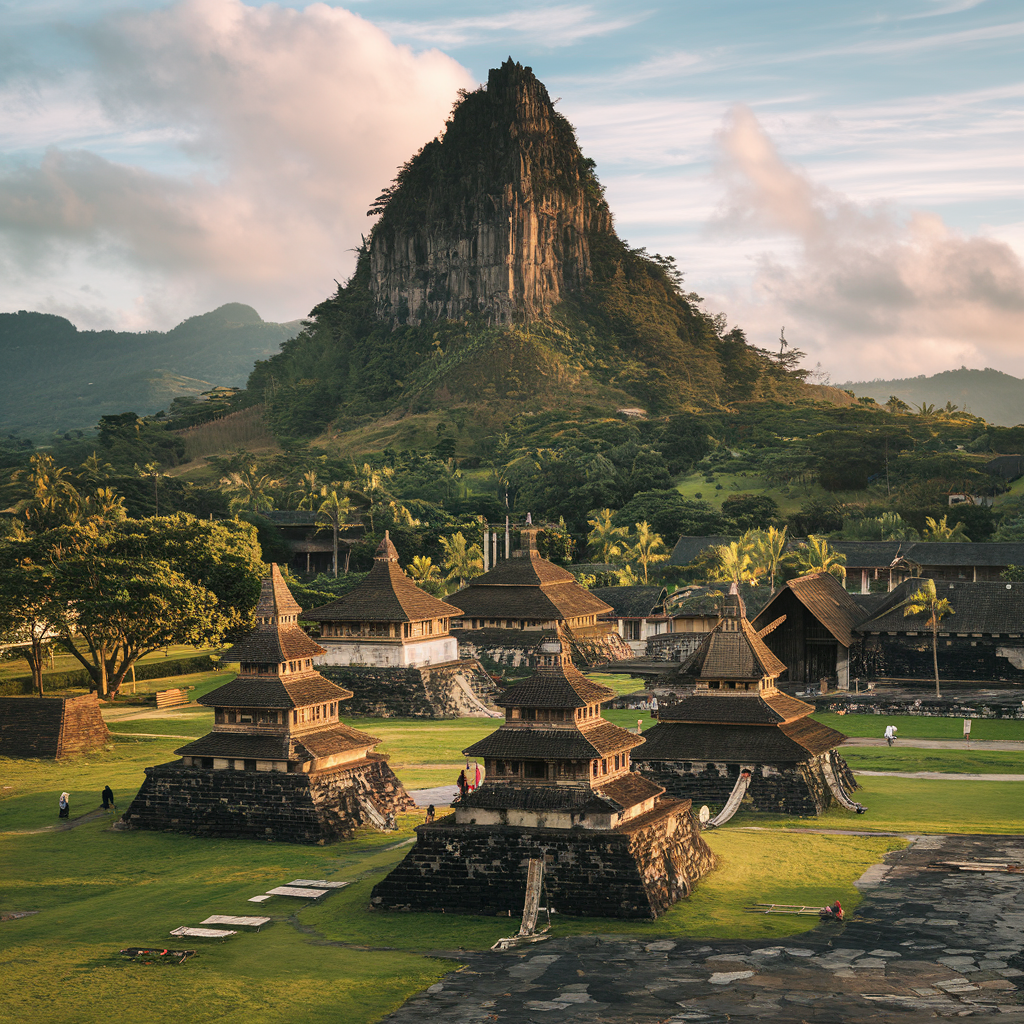
Long before Spanish explorers set foot on its shores in the 16th century, the Philippines was already home to thriving indigenous cultures. The early Filipinos, known for their seafaring skills and agricultural prowess, established complex societies governed by chieftains and sultans. These societies traded with neighboring civilizations like China, India, and other Southeast Asian kingdoms, leaving behind artifacts and traditions that highlight their advanced understanding of trade, craftsmanship, and governance.Key archaeological finds such as the Laguna Copperplate Inscription (dating back to 900 AD) provide glimpses into the early political and economic structures of pre-colonial Philippine societies. Meanwhile, the Ifugao Rice Terraces, a UNESCO World Heritage site, stands as a testament to the engineering ingenuity and agricultural knowledge of indigenous peoples.
Spanish Colonial Period
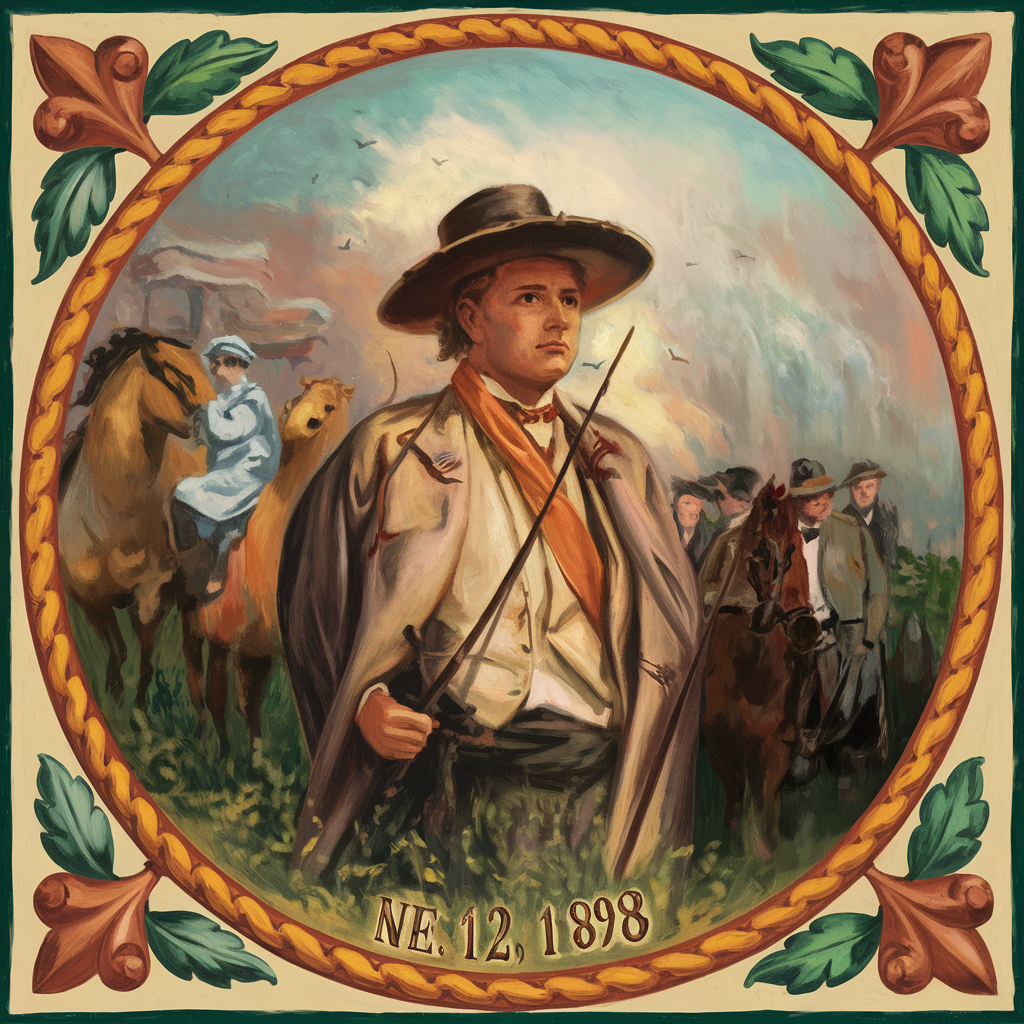
In 1521, Ferdinand Magellan's expedition marked the beginning of over three centuries of Spanish colonization in the Philippines. This period profoundly influenced Philippine culture, introducing Christianity, the Spanish language, and European architectural styles. The fusion of Spanish and indigenous traditions gave birth to unique cultural expressions, seen vividly in festivals like the Sinulog in Cebu and the Ati-Atihan in Aklan. The colonial era also saw the rise of national heroes such as Jose Rizal and Andres Bonifacio, who sparked movements for independence against Spanish rule. The Philippine Revolution of 1896 and the subsequent declaration of independence on June 12, 1898, shaped the nation's identity and set the stage for further struggles for sovereignty.
Modern Philippines: Independence and Beyond
On July 4, 1946, the Philippines finally gained independence from the United States, ushering in an era of rebuilding, nation-building, and cultural resurgence. The decades that followed saw rapid urbanization, economic growth, and the preservation of cultural heritage amidst globalization. Today, the Philippines stands as a melting pot of traditions, with influences from Asia, Europe, and America shaping its arts, cuisine, and societal norms. The country's rich heritage is celebrated in its UNESCO recognized sites like the Historic City of Vigan and the Baroque Churches of the Philippines, showcasing its architectural splendor and historical significance.
American and Japanese Occupations
Following the Spanish-American War of 1898, the Philippines came under American rule, which lasted until 1946. The American period brought significant changes in governance, education, and infrastructure, while also igniting nationalist movements advocating for independence. World War II brought Japanese occupation, leaving scars but also fortifying the Filipino spirit of resistance and resilience.
Preserving and Celebrating Heritage
Efforts to preserve Philippine heritage are ongoing, with museums, cultural centers, and local communities playing pivotal roles in safeguarding historical artifacts and traditions. Events like National Heritage Month in May and indigenous festivals throughout the year celebrate the country's diverse cultural tapestry, ensuring that future generations continue to embrace and appreciate their roots.

In conclusion, the history and heritage of the Philippines are not just chapters in a textbook but a living testament to the resilience, creativity, and cultural richness of its people. From ancient civilizations to modern-day developments, each era has left an indelible mark on the Filipino identity, making it a treasure trove of stories waiting to be explored.
Whether you are a history enthusiast, a cultural explorer, or simply curious about this fascinating archipelago, the Philippines offers a journey through time that is as enlightening as it is captivating. Discover its past, celebrate its present, and join in shaping its future as we continue to unravel the tapestry of Philippine history and heritage.
 English
  Čeština