Exploring Philippines Family and Social Structures
The Philippines is a country renowned for its vibrant culture, warm hospitality, and unique social structures deeply rooted in centuries of history. Central to this cultural tapestry are the familial and social structures that define everyday life for millions of Filipinos.
Family Structure
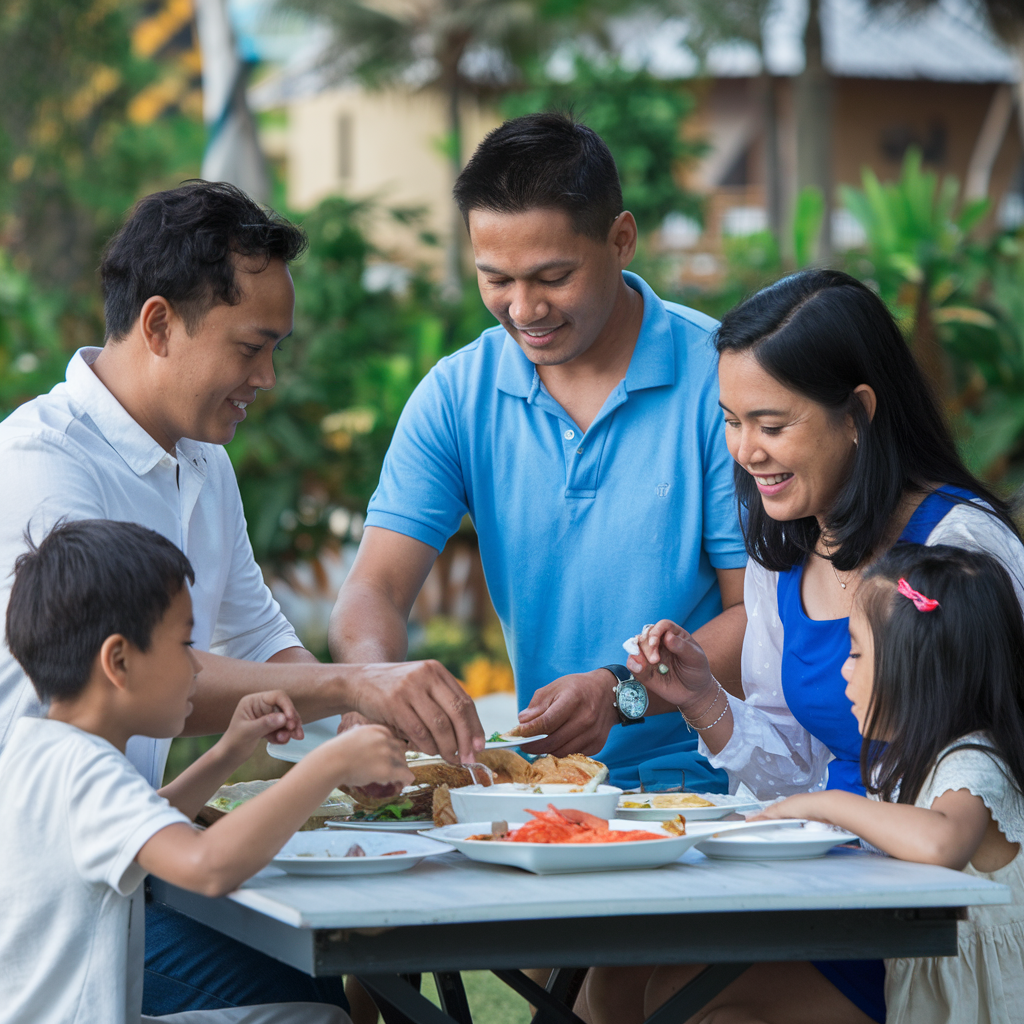
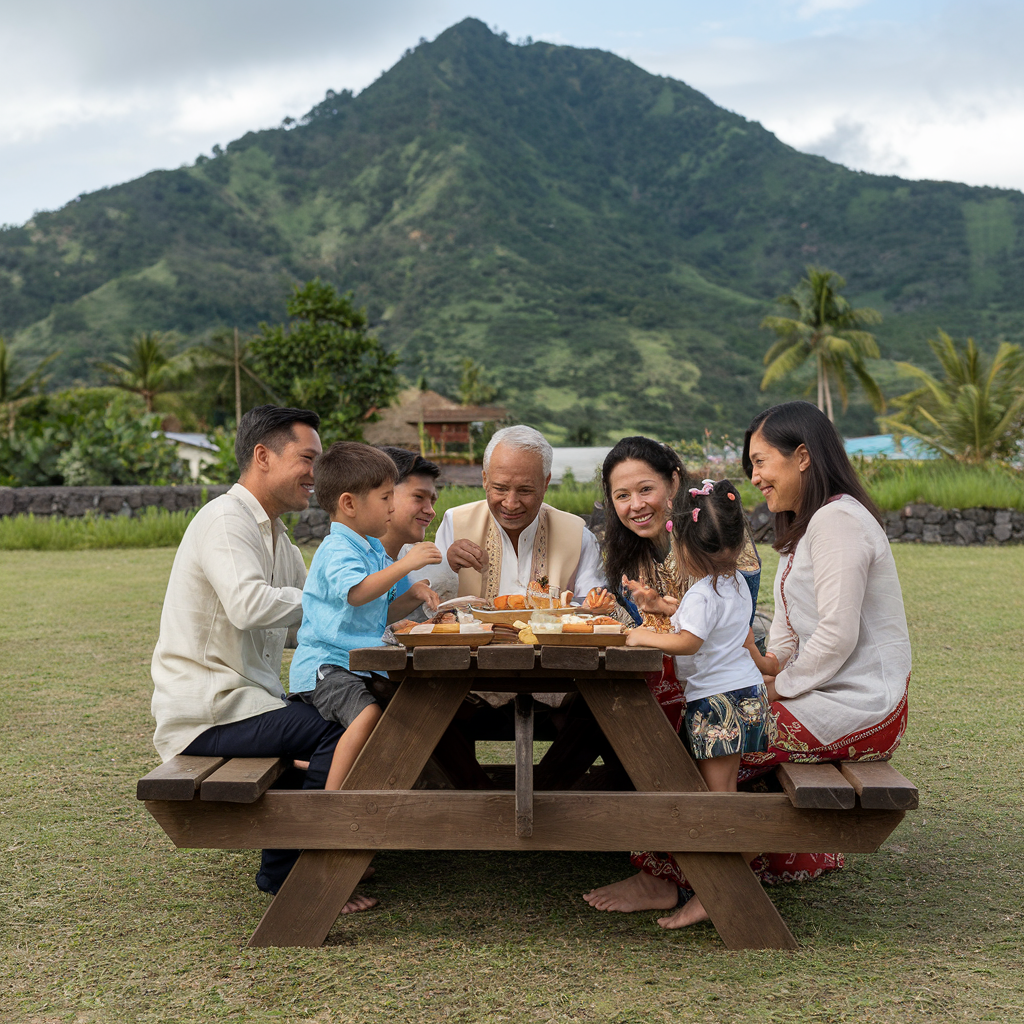
Family is at the heart of Filipino society, and the concept of extended family plays a crucial role in shaping social interactions and support systems. In a typical Filipino household, it’s common to find not only parents and children but also grandparents, aunts, uncles, and cousins living under one roof or in close proximity. This extended family setup fosters strong bonds and ensures a robust network of emotional and practical support.
Roles within the Family
Respect for elders is a cornerstone of Filipino culture, with younger members expected to show deference and obedience to their elders. This respect is reciprocated through guidance, care, and financial support when needed. Gender roles traditionally assign specific responsibilities, though modernization has led to more egalitarian divisions of labor.
Filipino Values
Core Filipino values such as utang na loob (debt of gratitude), hiya (sense of shame), and pakikisama (sense of camaraderie) heavily influence family dynamics. These values emphasize the importance of maintaining harmonious relationships and fulfilling obligations to the family and community.
Social Structures
Beyond the family unit, Filipino society is structured around community and collective identity.
Barangay
At the grassroots level, the barangay serves as the smallest administrative division and a focal point for community life. It acts as both a political unit and a social support network, where neighbors come together for celebrations, problem-solving, and mutual aid.
Bayanihan
This concept of communal unity and cooperation is deeply ingrained in Filipino culture. Historically, it referred to a tradition where villagers would literally carry a house to a new location, symbolizing the community's willingness to help one another in times of need. Today, bayanihan manifests in various forms of cooperative endeavors, from volunteer work to disaster relief efforts.
Social Hierarchies
While egalitarianism is valued, Filipino society acknowledges social hierarchies based on factors such as age, socioeconomic status, and education. These hierarchies influence interactions and expectations within both family and community settings.

Changing Dynamics
In recent decades, urbanization, globalization, and migration have reshaped Filipino family and social structures. Economic opportunities abroad have led to a significant number of Filipinos working overseas, impacting traditional family setups. Moreover, generational shifts and exposure to diverse cultures have influenced evolving attitudes toward marriage, gender roles, and individualism.
Despite these changes, the core values of family unity, respect for elders, and communal solidarity remain resilient in Filipino society. These values continue to shape relationships and provide a sense of belonging that transcends geographical boundaries.
Understanding the family and social structures of the Philippines offers a glimpse into the rich tapestry of Filipino culture. Rooted in deep-seated values and traditions, these structures form the bedrock of Filipino identity, fostering resilience, unity, and a strong sense of community. As the Philippines navigates the complexities of modernity, its enduring familial and social ties serve as a testament to the enduring strength of its people and their collective spirit.
 English
  Čeština